


History of the Andaman & Nicobar Islands
The Andaman and Nicobar Islands carry a history as remarkable as their natural beauty. From colonial settlements and the infamous Cellular Jail to Netaji’s flag hoisting and traces of World War II, the islands hold stories that continue to inspire visitors today.
Early Mentions
The Andaman and Nicobar Islands find mention in early maps and travel accounts because of their location along the busy trade routes of the Bay of Bengal. Despite being known to traders and sailors, the islands remained largely untouched by outside influence for centuries. This natural seclusion preserved their unique charm until the late 18th century, when they began to appear more prominently in recorded history.
- Visitor Note : Today, this timeless charm can still be felt while exploring heritage sites on Ross Island or walking through the quiet landscapes that have remained unchanged for centuries.


British Era and Penal Settlement
In 1789 the British set up their first settlement near Port Blair. After the uprising of 1857, they turned the islands into a penal settlement for Indian revolutionaries. Viper Island Jail was the first prison, later replaced by the Cellular Jail, completed in 1906. The jail became a symbol of hardship and sacrifice, as many freedom fighters endured harsh punishment here.
- Visitor Note : A visit to the Cellular Jail is one of the most moving experiences in the Andamans. Its evening Light and Sound Show brings alive the struggles of those who fought for India’s independence.
World War II and Japanese Occupation
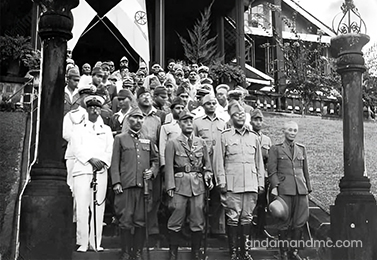
From 1942 to 1945, during the Second World War, the Japanese forces occupied the islands. They built roads and expanded agriculture to make the islands self-reliant, but life was difficult for the people during this time.
- Visitor Note : Remnants of this period can still be found in some of the old bunkers and roads built by the Japanese, adding another layer of history for curious visitors.
Netaji’s Historic Visit
A proud chapter opened on 29 December 1943 when Netaji Subhas Chandra Bose arrived in Port Blair. The next day he hoisted the Indian National Flag, the first time it was raised on Indian soil under colonial rule. This marked the islands as a special place in the story of India’s freedom struggle.
- Visitor Note : The flag-hoisting site in Port Blair is a place of national pride and an inspiring stop for visitors who wish to connect with India’s independence journey.
After Independence
The Japanese surrendered in October 1945 and the islands returned briefly to British control. With India’s independence in 1947, the Andaman and Nicobar Islands became part of the Republic of India. Since then, the islands have grown as a unique destination that blends natural beauty with a proud heritage.
- Visitor Note : Travelers today can explore not only pristine beaches and coral reefs but also historic sites such as the Cellular Jail, Ross Island ruins, and Netaji’s memorial, which together showcase the islands’ rich past.
Festivals and events in the Andaman Islands go far beyond entertainment. They bring together culture, cuisine, art, and community, giving travelers a deeper connection to the islands. For travel partners, planning tours around these events creates unforgettable experiences for clients and adds extra value to every itinerary.
