



Planning Travel to the Andaman Islands – What You Need to Know
Posted on July 01, 2025, 06:00 pm, in Andaman Destination. #destination. #andaman. #andamandmc
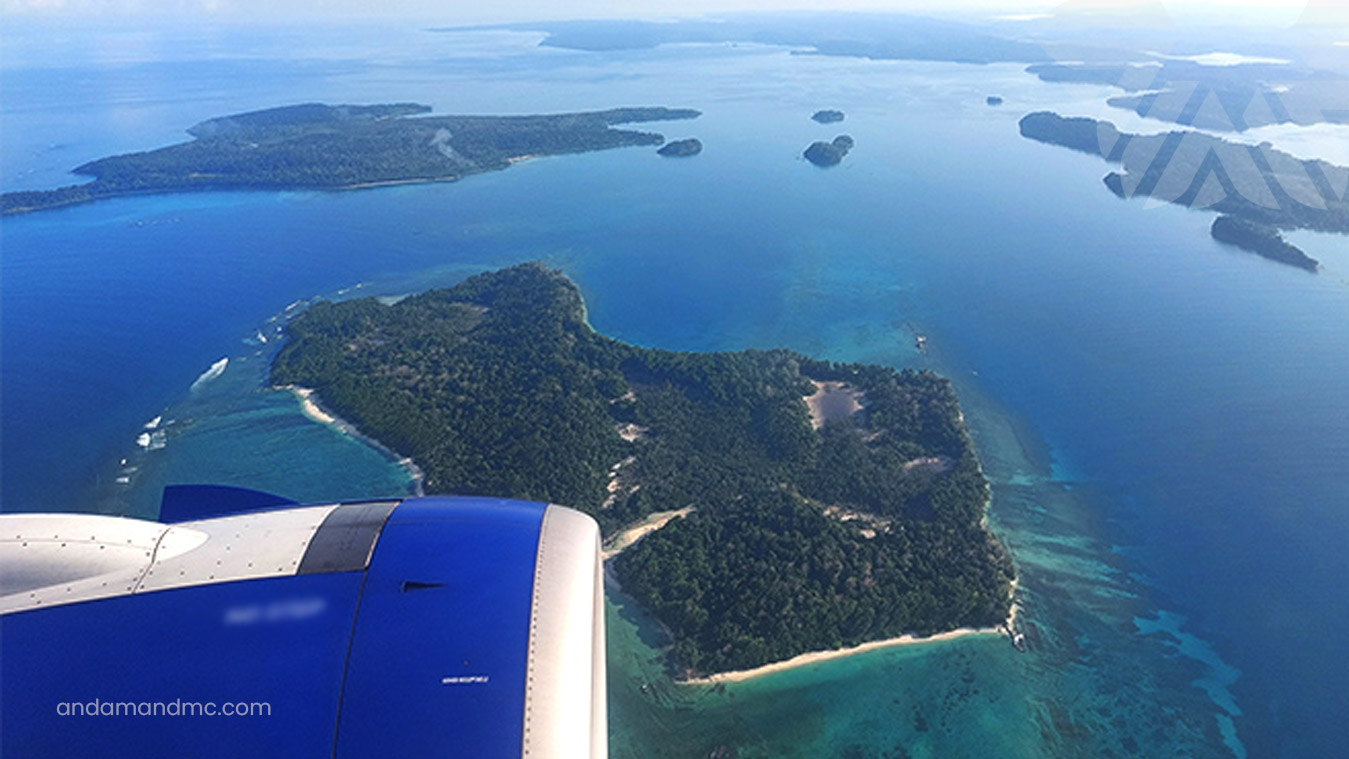
The Andaman Islands have long captured the imagination of travellers with their emerald waters, untamed coastlines, and a sense of distance from the everyday rush of mainland life. For travel professionals, the destination presents a unique mix of opportunity and complexity. While the islands are increasingly in demand for FITs, groups, honeymoons, and monsoon retreats, building seamless itineraries here isn’t as straightforward as it seems. There are nuances that matter from ferry schedules to permit zones, unpredictable weather, and varied local regulations. Knowing the basics helps, but often, it’s what’s not on the map that defines the experience.
The Andaman & Nicobar Islands are a remote archipelago in the Bay of Bengal, located approximately 1,300 km from India’s east coast. Of the 572 islands that make up the territory, few islands are open to tourism. Port Blair (Sri Vijayapuram), the capital city and only commercial airport hub, serves as the gateway for all journeys. Most popular circuits extend to Havelock Island (Swaraj Dweep), Neil Island (Shaheed Dweep), and occasionally to Baratang or Diglipur in North Andaman. Each zone has its own vibe, infrastructure limitations, and connectivity windows things that maps or brochures don’t always explain well.
✈️ Travel to Andaman by air
Port Blair is accessible via direct flights from Chennai, Kolkata, Bangalore, Hyderabad, and Vizag. During peak season (October to April), direct flights from Mumbai and Delhi are also available, although flight frequency may vary depending on demand and airline schedules. Most other cities in India connect conveniently with a stopover at Chennai or Kolkata. While air access is improving, flight slots are limited and subject to change and that's where experienced planning comes in. Travel agents should always factor in arrival delays, re-confirm return buffers, and advise guests accordingly.
⛴️ Moving Between Islands
Once in the islands, inter-island movement largely depends on ferries either private luxury catamarans or government-operated vessels. These connect Port Blair to Havelock and Neil Island on fixed schedules. Journey times typically range between 1 to 2 hours. While online booking is possible for some private ferries, availability, seating preferences, and coordination between transfers still often require local support. Ferry timings, guest mobility, luggage handling, and possible sea condition changes are important considerations and getting it right is key to the guest experience.
🛂 Entry Permits & Local Restrictions
For most travellers, access is straightforward. Indian nationals do not require any permits to visit the commonly promoted tourism zones. Foreign travellers must obtain a Restricted Area Permit (RAP), typically issued upon arrival in Port Blair. However, there are certain zones especially tribal or conservation areas that remain strictly off-limits to all visitors. These boundaries shift occasionally depending on regulations. Having someone on the ground who understands what’s accessible and what’s not, when and how, can make a big difference in preventing last-minute disruptions.
🌤️ Weather & Best Travel Period
October to May is traditionally considered the best time to visit the Andamans, offering clear skies, calm seas, and optimal conditions for ferry travel, diving, and beach activities. During this period, itineraries are more flexible, and most water-based excursions operate regularly.
That said, the off-season (June to September) has slowly started to attract a different kind of traveller those seeking solitude, quiet natural surroundings, and budget-friendly escapes. While monsoon rains may disrupt ferry schedules or limit water activities, some guests do enjoy the slower pace, dramatic seascapes, and lush green backdrops. However, travel agents should carefully manage expectations and plan itineraries with buffers to accommodate occasional delays or activity cancellations.
🧭 How Long Is Ideal?
A well-paced trip to the Andaman Islands typically spans 5 to 7 nights. The classic combination of Port Blair, Havelock, and Neil Island can be tailored for leisure, honeymoon, or group profiles. For deeper exploration, places like Baratang (known for limestone caves and mangroves) or Diglipur (for twin islands and Saddle Peak trekking) offer a more offbeat angle. However, with limited transport frequency and varying infrastructure levels, not all destinations suit all guests and that’s where expert curation comes in.
🏥 Health, Safety & Support
Modern medical facilities are available in Port Blair (Sri Vijayapuram), while other islands such as Havelock, Neil, and Rangat are equipped with basic healthcare services. Mobile networks function reliably in Port Blair and most of Havelock, though some remote areas may still experience intermittent connectivity. Guests with special requirements including seniors, VIPs, or language-specific needs often benefit from multilingual escorts and pre-arranged ground coordination. These quiet support services may not be visible in an itinerary but can be the difference between a smooth journey and a stressful one.
🧳 Planning Tips for Professionals
When packaging the Andamans, always account for ferry logistics, seasonal activity availability, and potential wait times for permits or transport. While many online tools provide ferry schedules or hotel availability, the true value often lies in local operational insight things that don’t show up in digital dashboards. Working with a reliable DMC not only reduces the risk of guest dissatisfaction but also ensures peace of mind for the travel professional.
The Andaman Islands aren’t complicated they just require care, foresight, and a little insider knowledge. Every guest arrives with high expectations, and with thoughtful planning, those expectations can be met or exceeded. But as with most great journeys, it’s not just about the itinerary it’s about how smoothly it’s delivered. And in the Andamans, that often comes down to experience, coordination, and trusted ground support.
